
Advanced gum disease treatment using
cutting-edge technology for superior outsome and long-term oral health.
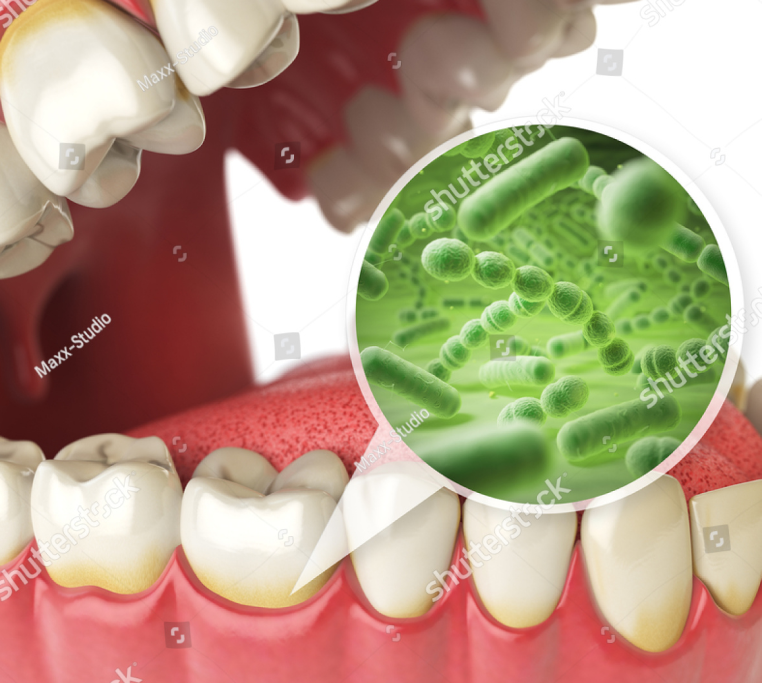
The word “periodontal” means “around the tooth.” Periodontal Disease (also known as “gum disease”, “pyorrhea” or “periodontal infection”) is an ongoing bacterial infection in the gums and bone around your teeth. This infection leads to an inflammation under the gums. If it isn’t treated, the inflammation can destroy the bone around your teeth resulting in tooth loss.
WHY IS IT IMPORTANT TO TREAT?
Periodontal infection is the cause of 75% of all adult tooth loss.
More importantly, research has associated periodontal infection to several serious medical problems, including; heart disease, diabetes and stroke.
As ongoing research continues to define how periodontal disease is associated with these and other health problems, good oral health is essential. Good periodontal health is a key component of a healthy body.
Most people are not aware of it because the disease is usually painless in the early stages. Unlike tooth decay, which often causes discomfort, it is possible to have periodontal disease without noticeable symptoms.
One of the earliest symptoms of gum disease is bleeding gums. When the disease is in the more advanced stages, teeth are mobile. Radiographs taken at this stage usually would show damage to other teeth in your mouth.
The other signs and symptoms are:
Red and puffy gums – Gums should never be red or swollen.
Persistent bad breath – Caused by bacteria in the mouth.
New spacing between teeth – Caused by bone loss.
Pus around the teeth and gums – Sign that there is an infection present.
Receding gums – Loss of gum around a tooth.
Tenderness or Discomfort – Plaque, calculus, and bacteria irritate the gums and teeth.
HOW IS PERIODONTAL DISEASE TREATED?
In the early stages of gum disease, most treatment involves non-surgical procedures; however, in more advanced stages, surgical procedures are often required. The following are detailed descriptions of these procedures.
Scaling & Root Planing
The upper level of infection in the pockets around your teeth can be removed using specialized instruments.
This procedure is called, “Scaling and Root Planing,” “Phase One Treatment” or “Initial Therapy.” It is done under local anesthesia and is quite different from the routine dental cleaning that is traditionally done in the general dentist’s office.
Does Scaling & Root Planing Hurt?
Depending on the depth of the pocket and severity of the infection, the area is numbed to make the process more comfortable.
Many of our patients comment on how easy and painless the procedure ended up being.
Once the root surface is cleared of tartar and smoothed, the gums are given a chance to heal and can actually reattach to the root eliminating deep pockets.
POCKET REDUCTION SURGERY
Pocket reduction surgery (gingivectomy, osseous surgery / flap surgery) is a collective term for a series of several different surgeries aimed at gaining access to the roots of the teeth in order to remove bacteria and tartar (calculus).
Reasons for the pocket reduction surgery
Reducing bacterial spread – Oral bacteria has been connected to many other serious conditions such as diabetes, heart disease and stroke.
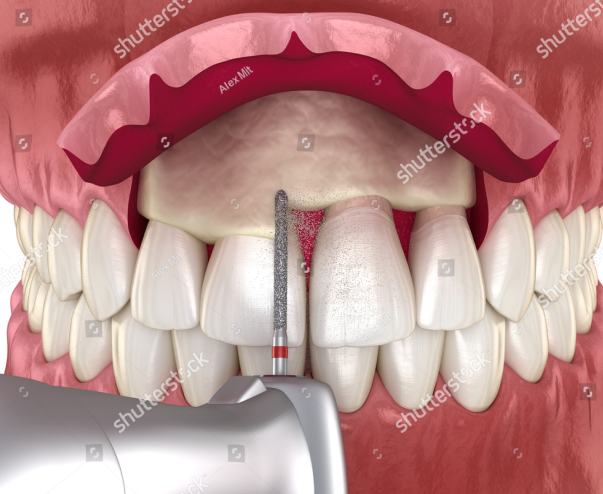
Halting bone loss – The chronic inflammatory response induced by oral bacteria leads the body to destroy bone tissue. As the jawbone becomes affected by periodontal disease, the teeth lose their rigid anchor. When the teeth become too loose, they may require extraction.
Facilitate home care – As the gum pockets become progressively deeper, they become incredibly difficult to clean by the patient. The toothbrush and dental floss cannot reach to the bottom of the pockets, increasing the risk of further periodontal infections.
Enhancing the smile – An oral cavity that is affected by periodontal disease is not attractive to the eye. In fact, smiles may be marred by brown gums, rotting teeth and ridge indentations.
Pocket reduction surgery halts the progression of gum disease and improves the aesthetics of the smile.
When your infection has a burst of activity, or when there are signs that this is about to occur, it is very important that you contact us without delay to schedule a comprehensive evaluation.
We will be able to determine the treatment necessary to control your periodontal infection and set you on a path toward excellent oral health.
In most cases, we can treat the disease without surgery with early detection.
Periodontal disease has been linked with the following diseases and conditions:
Heart disease & Heart attack
Recent studies have shown that people with periodontal disease are 2.7 times more likely to suffer a heart attack.
Stroke
Studies have also shown that people with periodontal disease are 3 times more likely to suffer a stroke.
Pre-Term Childbirth
Women with periodontal disease are 7-8 times more likely to give birth prematurely to a low birth-weight baby.
Diabetes
Periodontal infection can raise blood sugar in diabetic patients. Periodontal treatment often results in a reduced need for medication.
Respiratory Disease
Periodontal infection in the mouth can be breathed in and increase the severity of such respiratory diseases as pneumonia, bronchitis and emphysema.
Some Patients Are at Higher Risk
Patients in certain higher risk categories (see below) should pay particular attention to any signs of periodontal disease.
Those patients having a personal or family history of:
Those patients having higher risk lifestyles, including:
Higher Risk Patients
If you have been told you have periodontal disease (or some of its symptoms) it is vital that you seek evaluation and treatment.
Periodontal infection is usually painless until it reaches an advanced stage. However, there are some symptoms which can indicate the presence of periodontal infection. These include:
If you notice any of the above warning signs of periodontal infection, please contact our office for a periodontal examination.
Important Note: Your gums can look and feel quite normal and yet deep pockets of periodontal infection can still be present. To be certain about any periodontal disease, have your periodontist examine you for signs of infection.
People with periodontal disease have low resistance to periodontal bacteria. This causes an ongoing gum infection that grows in “bursts” of activity. Each time it grows, more support for your teeth bone is lost. Some factors that can cause a “burst” of activity are:
Gum Disease is a Major Cause of Adult Tooth Loss
The majority of adult tooth loss is due to periodontal disease.
When your gums and bone are damaged by periodontal infection, there is less support for your teeth.
As this support disappears, your teeth first become loose and prone to more damage and infection. This ultimately leads to tooth loss.
When your dentist recommends periodontal treatment, it is important to get started right away.